

EU import requirements, prepared before we load.
Fresh produce entering the European Union is checked for traceability, pesticide residues, plant health and quality class. Here is what the rules require, and what we prepare with every shipment so your goods clear the border without surprises.
What the EU requires, and what we prepare.
| Requirement | EU rule | What we prepare |
|---|---|---|
| Traceability | General Food Law, Regulation (EC) No 178/2002Every operator must know where each lot came from and where it went. | Lot codes on every carton, linking each box to its grower and packhouse, with records kept for every shipment. |
| Pesticide residues | Maximum residue levels, Regulation (EC) No 396/2005Produce above an EU limit cannot be sold in the EU. | Residue analysis at an accredited laboratory before shipment when your program requires it; growers work to EU limits, not only local ones. |
| Contaminants | Maximum levels, Regulation (EU) 2023/915For example aflatoxins in spices and dried products. | Laboratory analyses for spices and dry commodities, lot by lot. |
| Plant health | Plant Health Regulation (EU) 2016/2031Many fruits and vegetables need a phytosanitary certificate. | Phytosanitary certificate issued by the plant protection authority of the exporting country, where required. |
| Marketing standards | Delegated Regulation (EU) 2023/2429Specific standards for apples, citrus fruit, kiwifruit, lettuces and endives, peaches and nectarines, pears, strawberries, sweet peppers, table grapes and tomatoes; a general standard for the rest. | Quality class, sizing and package labelling to the applicable standard, or to your retail specification where it is stricter. |
| Border checks | Official Controls Regulation (EU) 2017/625; increased checks under Implementing Regulation (EU) 2019/1793Some product and origin combinations are checked more often. | All documents sent in advance, so your importer can pre-notify the consignment in TRACES (CHED) before it arrives. |
| Labelling | Food Information Regulation (EU) No 1169/2011 for pre-packed food | Carton and retail labels with product, origin, class, size, packer and lot code; private label on request. |
This page is a practical summary for buyers, not legal advice. Requirements depend on the product, the origin and the destination; we confirm them for each order.
Documents with every shipment.
- Commercial invoice and packing list with lot numbers
- Phytosanitary certificate, where EU plant-health rules require one
- Certificate of origin, and proof of preferential origin such as EUR.1 where a trade agreement applies (for example for Türkiye, Morocco and Egypt)
- Laboratory analysis reports, when your program requires them
- Bill of lading, CMR or air waybill
- Temperature records for reefer shipments
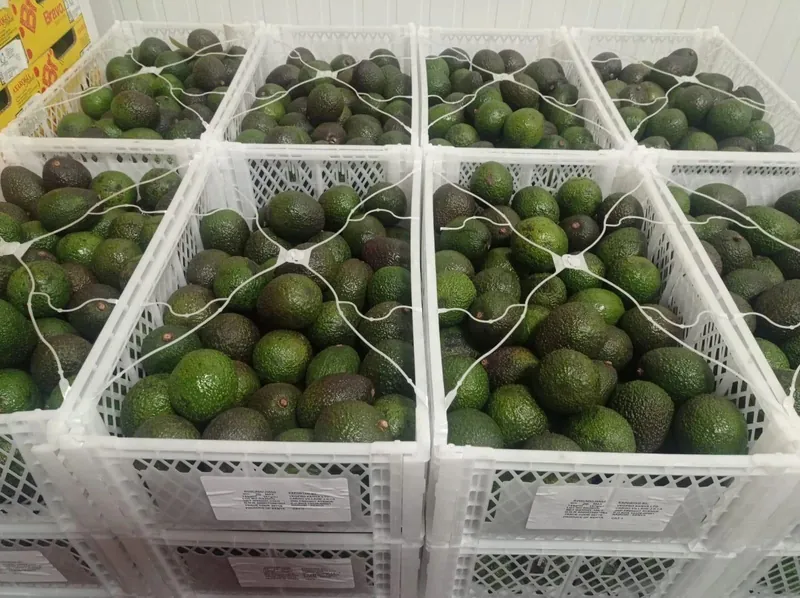
Sourced to the standards European retail requires.
European retailers and importers buy from certified supply chains. We build every program on growers and packhouses certified to the standards your buyers require, and every offer comes with copies of the valid certificates, so you can verify them before you buy.
GLOBALG.A.P.
Good agricultural practice at farm level: food safety, traceability, worker welfare and environmental care. The baseline for fresh produce in European retail.
GRASP
The GLOBALG.A.P. add-on for social practice, assessing workers' rights and welfare on the farm.
BRCGS Food Safety
The GFSI-recognised standard for packhouses and processors, widely required by retailers in the UK and across Europe.
IFS Food
The GFSI-recognised standard for packing and processing, widely required by retailers in Germany, France and Italy.
FSSC 22000 / ISO 22000
Food safety management systems for packing and processing sites; FSSC 22000 is recognised by GFSI.
HACCP
Hazard analysis and critical control points: the foundation of every food safety system along the chain.
SMETA
The Sedex ethical trade audit covering labour standards, health and safety, environment and business ethics.
EU organic
Regulation (EU) 2018/848. Organic produce comes only from certified organic lots, with the EU certificate of inspection issued in TRACES.
Our commitment on every offer
- Certificate numbers and validity dates of the growers and packhouses supplying your order
- Only certificates that are valid for the full shipment period
- Residue and laboratory reports from accredited laboratories when your program requires them
Fresh on arrival.
Sea freight
Reefer containers through Mediterranean ports, with temperature and ventilation set for each product.
Road freight
Refrigerated trucks for European destinations within reach of our origins.
Air freight
For short-shelf-life lines where speed matters more than cost.
Frequently asked questions
Who pre-notifies the shipment at the EU border?
The operator responsible for the consignment in the EU, usually the importer or their customs agent, pre-notifies it in TRACES with a CHED before arrival. We send all the documents in advance so this can be done on time.
Do you supply GLOBALG.A.P.-certified produce?
When your program requires it, we source from GLOBALG.A.P.-certified growers and send the certificate numbers with the offer, so you can check them in the GLOBALG.A.P. database yourself.
Is a residue analysis included with every lot?
We arrange residue analyses at accredited laboratories whenever your program requires them, for each lot or at the frequency you set. Tell us your requirement and we include it in the offer.
Which Incoterms do you quote?
We quote FOB, CFR or CIF, or delivered terms, depending on the product and the route. Tell us your preference when you ask for an offer.
Importing into the EU this season?
Send your products, specifications and the certifications your program requires.